Why B2B Brands Commission Brand Awareness Research Before Product Launches
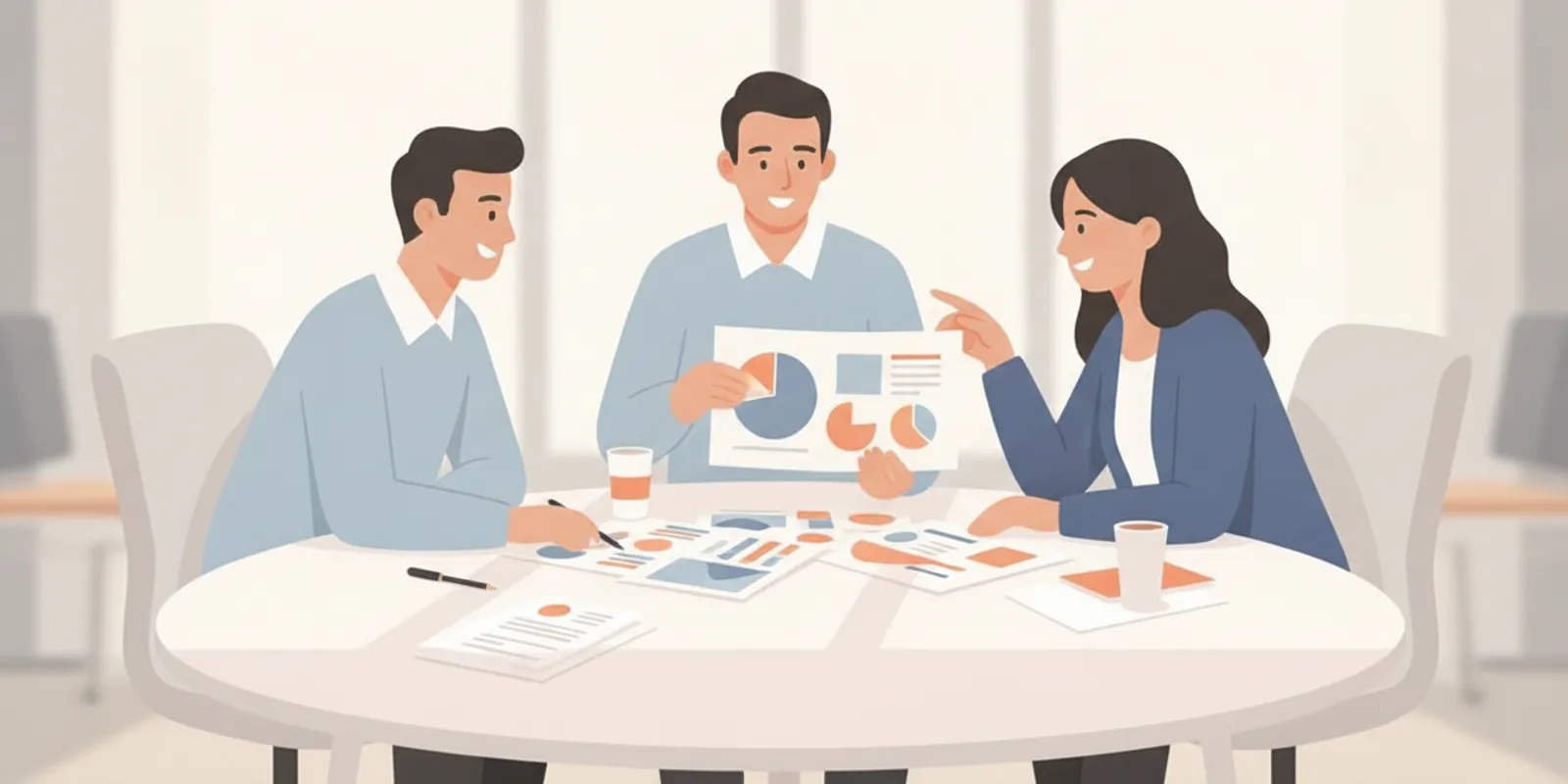
For B2B teams planning a launch, brand awareness research before a product launch can show what the intended audience already recognizes, associates, and wants to understand. It gives marketers a grounded snapshot before the campaign goes live and can also create a factual starting point for public-facing thought leadership. For the broader context, explore this guide to brand awareness and buyer intelligence research.
Discuss your upcoming launch research
Why does an awareness baseline matter before launch?
A product launch asks the market to notice something new and understand why it matters. But teams often plan the campaign around what they want to say, without first testing what the audience already knows, believes, or misunderstands. A pre-launch baseline makes those assumptions visible.
For example, a team introducing a new security product may assume the audience understands the category problem. Survey findings could reveal that prospects recognize the risk but do not associate it with the product’s specific approach. Another team may find that its company name is familiar while its capabilities are not. Those are different communication challenges, and they call for different campaign emphasis.
A baseline also gives later communications a useful reference point. It does not prove that a launch caused every change in awareness; other campaigns, news, and market events can influence perception. It does help a team compare what respondents said before a campaign with what they report afterward, using consistent questions and a clearly defined audience.
- Recognition: Have intended buyers heard of the company, product, or category?
- Association: What capabilities, problems, or ideas come to mind?
- Understanding: Can people explain what the offer does and who it helps?
- Confidence: What questions or uncertainties might slow consideration?
In short, a baseline turns launch planning from an exercise in internal assumptions into a decision informed by audience responses.
What should a pre-launch awareness survey measure?
The strongest survey is designed around decisions the launch team needs to make. Start with the audience and the product’s intended place in the market. Then select questions that reveal recognition and perception without leading respondents toward a preferred answer. TrendCandy’s managed research process handles survey design and packaging for a public-facing thought-leadership survey report; the goal is to create credible findings and useful content, not to decide internal product priorities.
A focused survey can measure unaided awareness before showing company or product names. It can then measure aided recognition with a balanced list that includes plausible alternatives. To understand associations, respondents can describe what they connect with the brand or category. Questions about needs, obstacles, and information sources can clarify what a campaign should explain. These measures work together: recognition says whether a name is familiar, while association and understanding help reveal what that familiarity actually means.
| Research area | What to learn | How it can inform launch content |
|---|---|---|
| Unaided recognition | Which names or solutions come to mind first? | Decide whether introductory context is needed. |
| Aided recognition | Which brands or products have respondents encountered? | Set a credible starting point for awareness claims. |
| Brand associations | What strengths, concerns, or use cases are linked to the name? | Emphasize distinctive, audience-relevant ideas. |
| Category understanding | How do people describe the problem and current approaches? | Clarify language and explain the product’s role. |
| Information needs | What proof or answers would help buyers evaluate options? | Plan educational assets and launch follow-up. |
Sampling matters as much as wording. Define which roles, industries, or experience levels represent the intended audience, and make the survey frame clear when presenting findings. Avoid treating a general audience response as a proxy for a specific buyer group. If the launch serves several segments, determine whether each segment needs separate questions or enough responses for a meaningful comparison.
For example, a product aimed at both security leaders and IT operations teams may need to distinguish the audiences’ familiarity with the problem and their different questions about implementation. Combining those answers into one undifferentiated average could obscure useful contrasts. A clear respondent definition lets the report state whose views are represented and helps readers understand where a finding applies.
Also decide in advance how the team will describe the findings. A percentage without the question wording, respondent profile, and field context can sound more definitive than it is. Keep the methodology close to the result, and distinguish what respondents reported from what the research team infers. That discipline makes the report easier for communications, sales, and subject-matter teams to use responsibly.
TrendCandy creates a thought-leadership survey report for external authority building, not for internal decision support. See examples of how survey findings can become public-facing assets in the survey report and work samples and client case studies.
The useful measure is not the longest questionnaire; it is the smallest set of well-framed questions that can produce credible, relevant launch stories.
How can survey findings shape launch messaging?
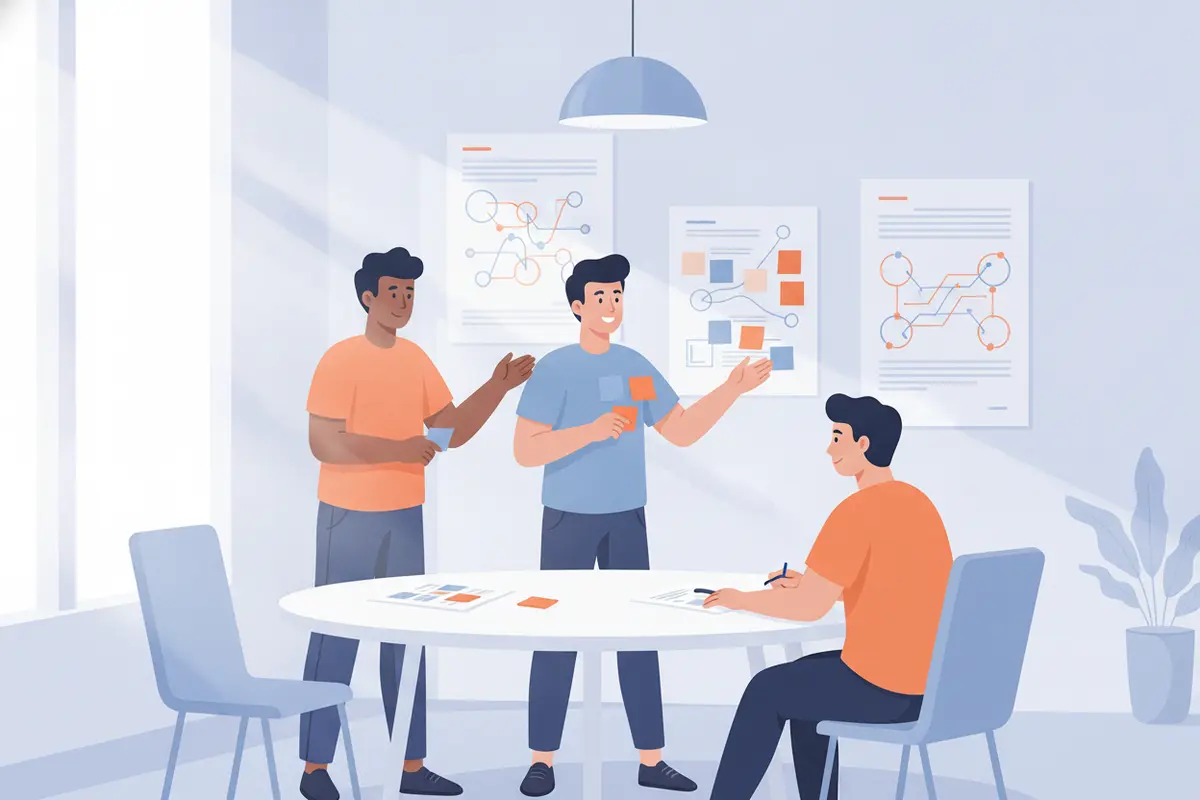
Survey results can help a team decide what to introduce first, which misconceptions to address, and what evidence to foreground. The point is not to make every answer into a campaign claim. It is to find patterns that are clear, meaningful to the intended audience, and supported by the survey design.
Find a sharper opening idea
Suppose respondents recognize a business problem but do not connect it with the language your team uses to describe it. That gap may suggest that a launch should begin with the audience’s problem, then introduce the product’s framing. If respondents already understand the category but confuse your offer with another approach, the opening can focus on the distinction that matters to them.
Build a message around real questions
Look for repeated uncertainties: who owns the problem, how existing approaches fall short, what evidence buyers need, or how a new capability fits current workflows. Use these questions to shape launch explainers, executive commentary, webinar topics, and sales conversations. The survey provides a source of audience language; subject-matter experts should review any claims about product capabilities.
A practical example helps show how the insight translates. If respondents know the problem but cannot name the category, a launch article can first explain the problem in familiar terms, then define the category and introduce the product. If recognition is already strong but respondents misunderstand the product’s role, the sequence changes: lead with a plain-language explanation of what it does, show how it fits an existing workflow, and answer the most common evaluation question. The research does not write those claims for the company; it gives the editorial team a clearer view of which explanation deserves attention.
Make the findings useful beyond launch week
A well-planned survey can support a report, a blog post, social and infographic assets, and follow-up stories for many months. TrendCandy’s content multiplication model is designed so one custom survey can fuel 12+ months of thought-leadership content assets, rather than ending as a one-time announcement. The content is developed as a connected package: survey → report → blog post → social and infographic assets.
That sequence also gives each format a distinct job. The report explains the findings and method. The blog post draws out a focused implication. Social and infographic assets make selected insights easy to share and discuss. A launch team can link these pieces over time rather than asking one announcement to carry the whole campaign.
To make the material feel like a connected campaign, choose a central question that can support several angles. An awareness gap might lead to a report on how buyers recognize the category, a blog post explaining what the gap means for launch communications, and visual assets that highlight a small number of findings. Each piece should add context rather than repeat the same claim. This approach gives marketing and communications teams a shared evidence base while leaving room for different formats and audiences.
Content multiplication is not simply reposting the same chart in several places. It means assigning each asset a distinct purpose and adapting the evidence to the format. The report can preserve detail and methodology; an executive post can explain why an insight matters; a short visual can make one comparison memorable; and a later article can explore an implication the launch announcement could not cover. A calendar built around those roles helps a team extend the value of original findings without overstating them or repeating a single headline.
Browse the research hub for examples of public-facing survey assets, or review the research on discoverability and buyer behavior as an illustration of how a focused question can lead to a larger narrative.
Survey findings become more valuable when the team turns them into a coherent series of useful stories, not a single launch-day statistic.
How does TrendCandy deliver research on a launch timeline?
A product launch has fixed dates, so research planning has to start early enough for audience recruitment, survey design, analysis, and editorial packaging. TrendCandy’s typical delivery window is 2–3 weeks, and its managed process covers the work from survey design through content packaging. The client brings the topic idea; TrendCandy handles the research and turns the findings into a public-facing asset.
- Set the campaign question. Identify the audience, the product context, and the public narrative the research should clarify.
- Design and field the survey. Develop neutral questions and collect responses from a defined respondent group.
- Analyze and shape the findings. Identify patterns that are both interesting to the audience and supported by the data.
- Package the content. Build the report and related blog, social, and infographic materials for the planned campaign.
TrendCandy’s stated project range is $5,000–$14,000, with a typical 2–3 week delivery. For comparison, traditional firms can charge $50,000–$250,000 or more and take 2–4 months, making TrendCandy a lower-cost, faster option built around public-facing content. The scope depends on the audience, survey, and content package. TrendCandy also offers a dual performance guarantee addressing both survey data quality and content output, a distinctive combination in the industry. For a discussion of fit and timing, use the contact page or learn about the company’s founder and approach.
This work is intended for external authority building: a public report, useful content, and a narrative the team can share. It is not designed to answer private operational questions such as which product feature to prioritize. Keep that boundary clear when defining the brief so that the research goal, audience, and deliverables stay aligned.
With a clear brief and a 2–3 week delivery window, the research can be planned as a campaign input rather than an afterthought.
How should you plan research around a launch date?
Start with the date the report or launch campaign needs to be ready, then work backward. Allow time for the team to agree on the audience, approve the survey questions, review the findings, and prepare assets for distribution. If the launch date is immovable, set decision deadlines for each stage and identify who can approve the work.
- Before kickoff: Confirm the launch date, audience, narrative objective, and what the research should help explain.
- During survey design: Align questions with the public story, define the respondent group, and remove wording that assumes an answer.
- When findings arrive: Review the method and evidence, select only supportable insights, and prepare the report and related assets.
- After publication: Give each asset a role in the campaign and track how audiences engage with the content using the team’s established measurement approach.
Build a buffer for review. Product, legal, communications, and subject-matter stakeholders may need to check claims before publication. The survey can inform the story, but the final copy should not imply that a finding proves more than the responses support. When presenting a result, explain who was surveyed and what question was asked.
One practical way to protect the schedule is to agree on review responsibilities at kickoff. Name who signs off on survey wording, who can resolve questions about the product, and who approves the final public claims. Set a date for each review rather than circulating drafts without a decision deadline. If findings raise an unexpected issue, the team can then decide whether it belongs in the launch story, a later educational asset, or nowhere in the public package.
Plan the public release as well as the research work. Decide whether the report needs to appear before launch, on launch day, or as a follow-up that sustains attention. A report released early can equip spokespeople and provide context for launch content; one released later can address questions that emerge after prospects encounter the product. That choice affects when the final findings, approvals, and supporting assets must be ready. The important point is to give the research a defined role in the sequence, rather than treating publication as an isolated deadline.
For teams weighing the process, TrendCandy’s industry survey research overview describes the managed service, while the content leaders page offers a route to explore content-focused survey work. You can also review the dedicated survey reports for marketing leaders.
Work backward from publication, preserve time for review, and keep the audience and public narrative fixed throughout the project.
Awareness research is especially useful before a launch when a team needs a grounded view of recognition, associations, and buyer questions. A well-designed thought-leadership survey report can inform the campaign and supply credible content well after launch week. For a related perspective on brand consideration, see Gitnux’s summary of brand awareness statistics; treat third-party figures as context, not a substitute for research among your intended audience.
Plan a launch research conversation
Frequently Asked Questions
When should awareness research begin before a product launch?
Begin early enough to define the audience, design and field the survey, review findings, and prepare content before the launch date. TrendCandy’s typical delivery is 2–3 weeks, but the schedule should include stakeholder review time as well.
Can survey results measure whether a launch increased awareness?
A survey can establish a baseline and later repeat comparable questions. That can show differences in reported awareness, but it cannot by itself prove that the launch caused every change; other activity and events may have contributed.
What kind of content can one pre-launch survey support?
A survey can support a thought-leadership survey report, a blog post, social content, and infographic assets. The exact package should fit the audience, findings, and campaign plan.
Is this work intended to choose product features or set a product roadmap?
No. TrendCandy’s service is for public-facing thought leadership and authority building. It is not intended for internal product or operational decisions.
When a launch calls for credible audience insight and a longer-lived public narrative, plan research around the questions your buyers need answered and build enough time to turn findings into useful content.
Ready to become the source?
Get a done-for-you original survey, from $5k, in 2–3 weeks — and a year of content that cites you.
Book a call